Gardening and landscaping are among the best ways to transform your outdoor space. While many people would love to engage in these activities, having the right skills and technical know-how to ensure you create aesthetic and functional retreats is essential.
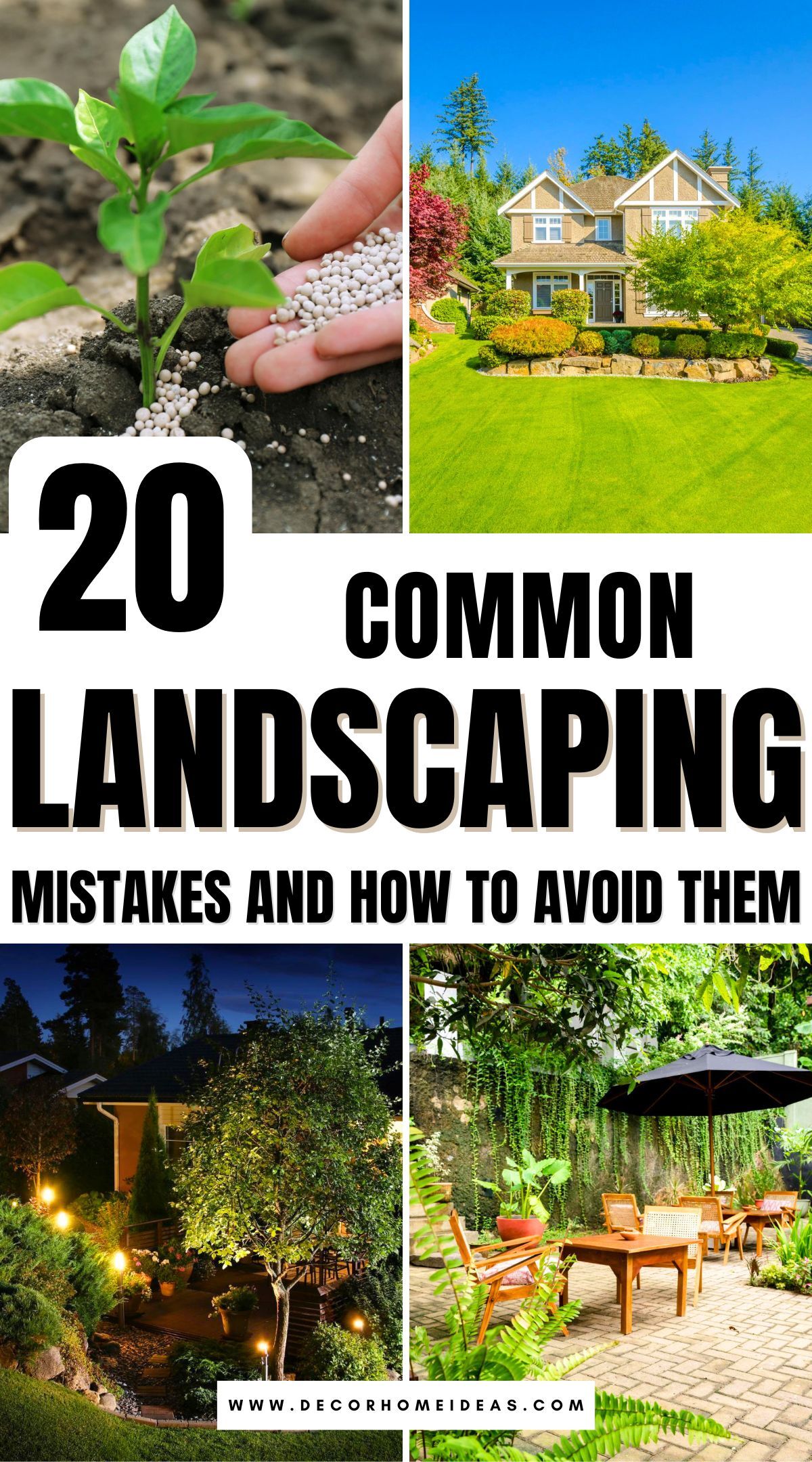
Without the proper skills and planning, you may make common landscaping mistakes that will impact the overall beauty of your property.
To help you in your next landscaping project, we’ve prepared a list of common mistakes you should avoid to create a visually appealing outdoor space that will withstand the test of time.
Take a look!
1. Failure to Plan
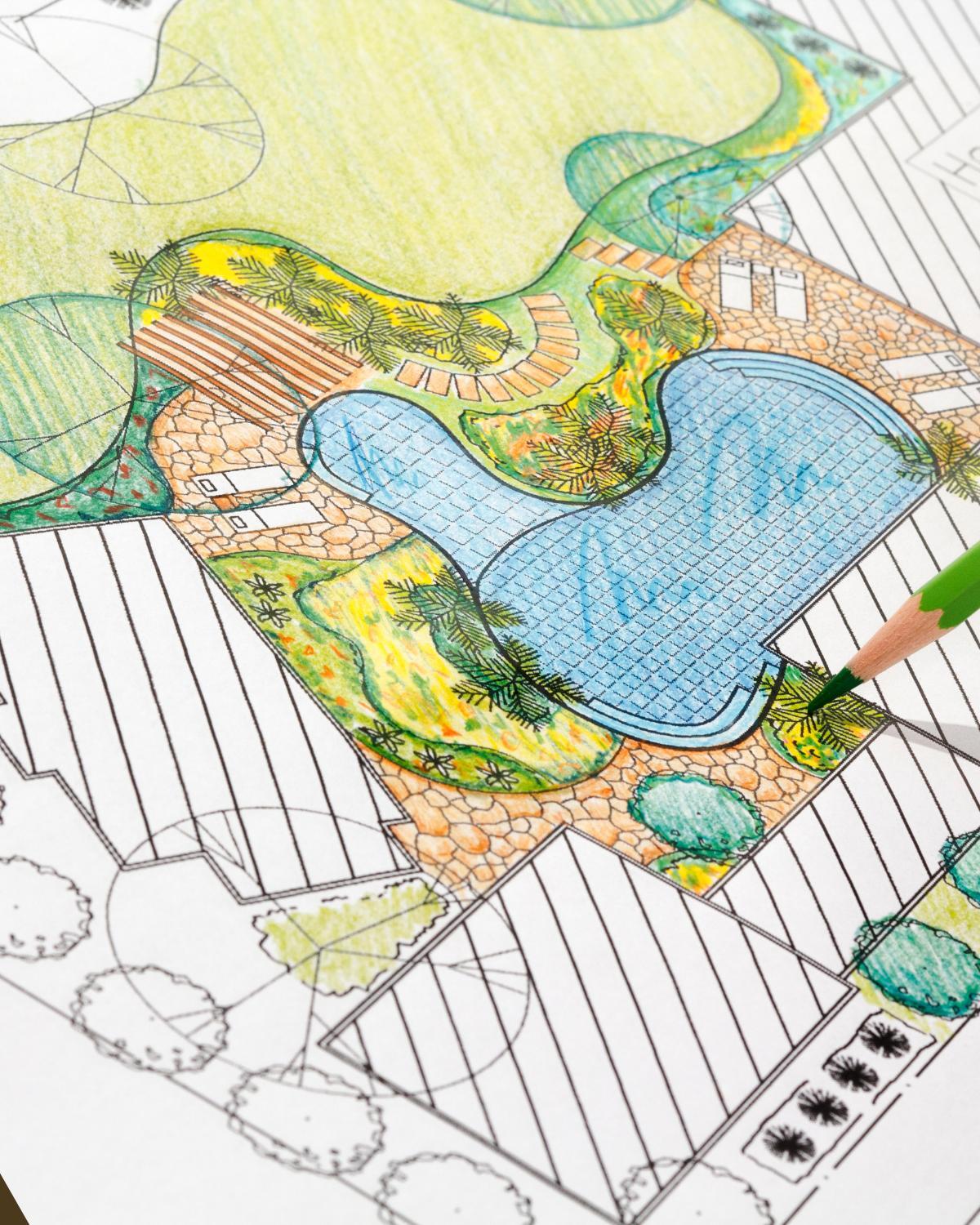
Like any DIY project, home preparation is essential to a successful landscaping project. Failing to create well-defined budgets, schedules, and design plans is a common landscaping mistake that can lead to costly mistakes later on.
Before embarking on a project, have a realistic budget and thorough planning of what you’ll do at different stages.
This includes obtaining a verified topographic survey to prevent property line disputes or overestimating the landscape size. Have realistic expectations and remember not to count your chickens before they hatch.
2. Lack of Maintenance
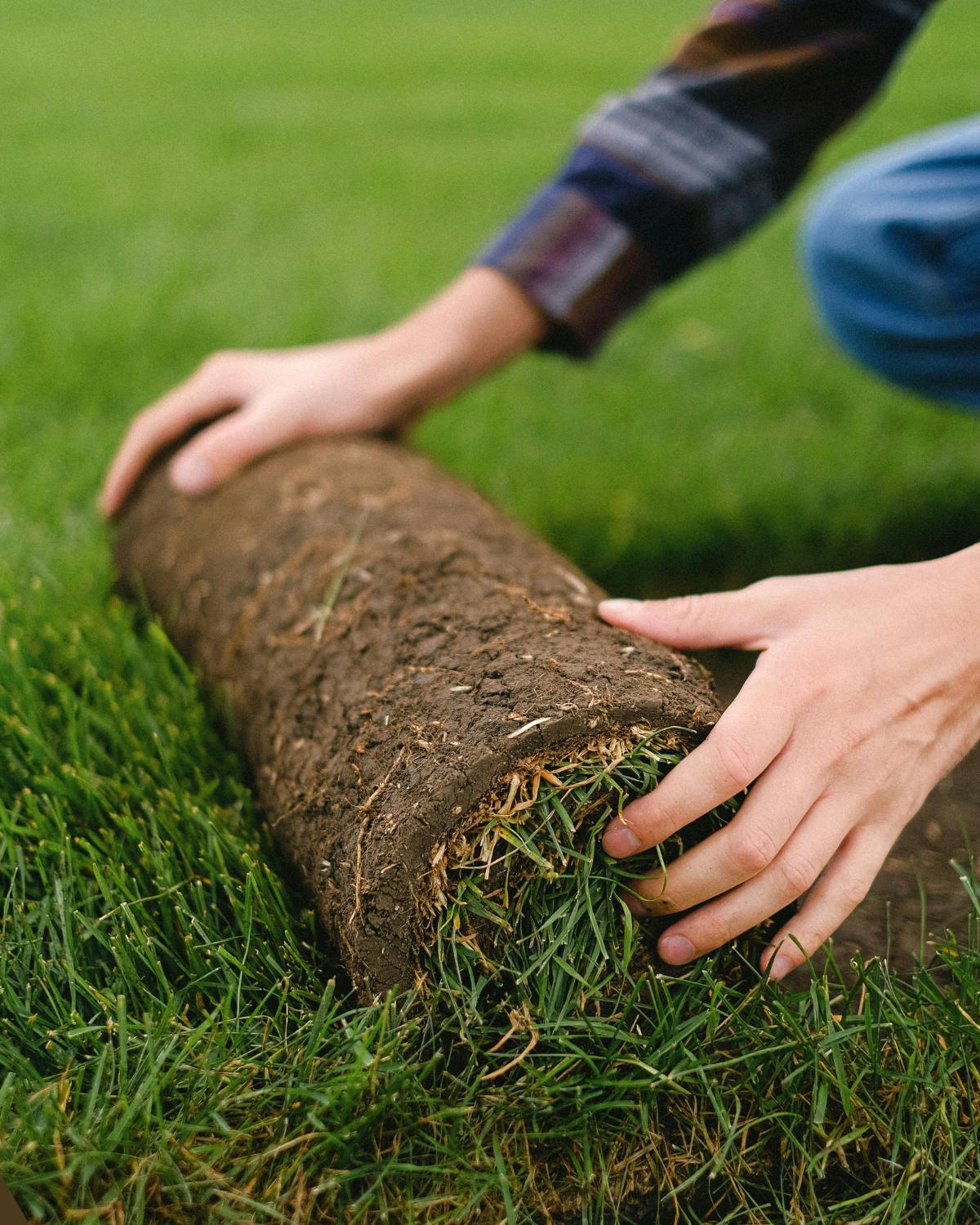
Often, homeowners and gardening enthusiasts are drawn to visually appealing plants and landscapes without fully understanding the time and effort required to maintain them.
Underestimating the maintenance requirements can lead to unkempt or overgrown landscapes that make even the most interesting architectural designs feel out of place.
To avoid this, I recommend researching the maintenance methods of the different plants and features before incorporating them into your landscape. If you don’t want to spend most of your time landscaping, choose low-maintenance plants that will add beauty to your landscape while also being manageable.
3. Planting in the Wrong Place
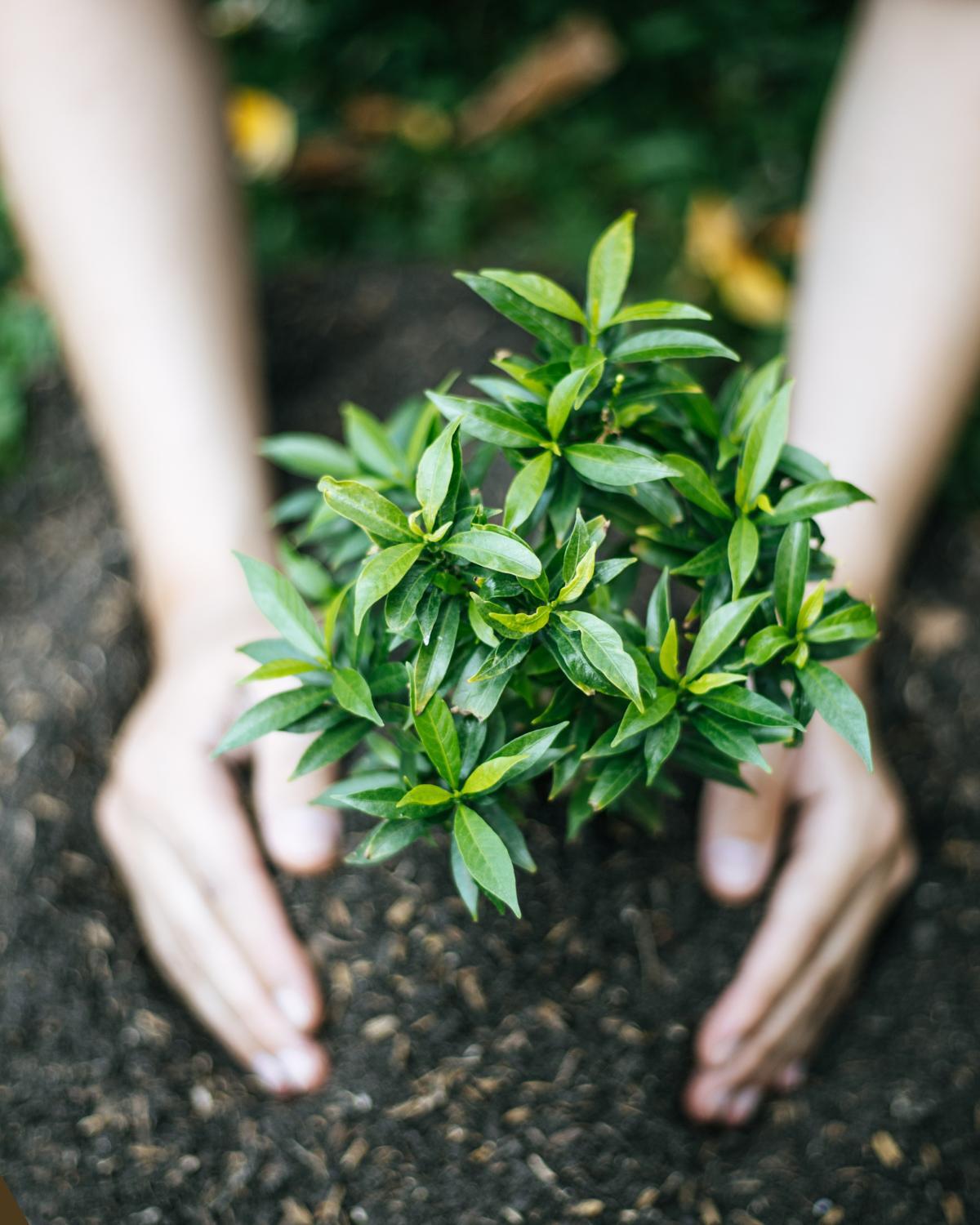
One common landscaping mistake is planting in the wrong place. Some people usually fail to factor in crucial requirements like sunlight exposure and drainage for their plants.
Different plants have different care requirements—understanding what each needs is crucial to a successful landscape.
When purchasing plants, ensure you read the plant tag to understand their needs and growth size so you can choose the ideal location. It’s also important to consider how the plants may impact your landscape’s focal point.
4. Cutting Grass Too Short
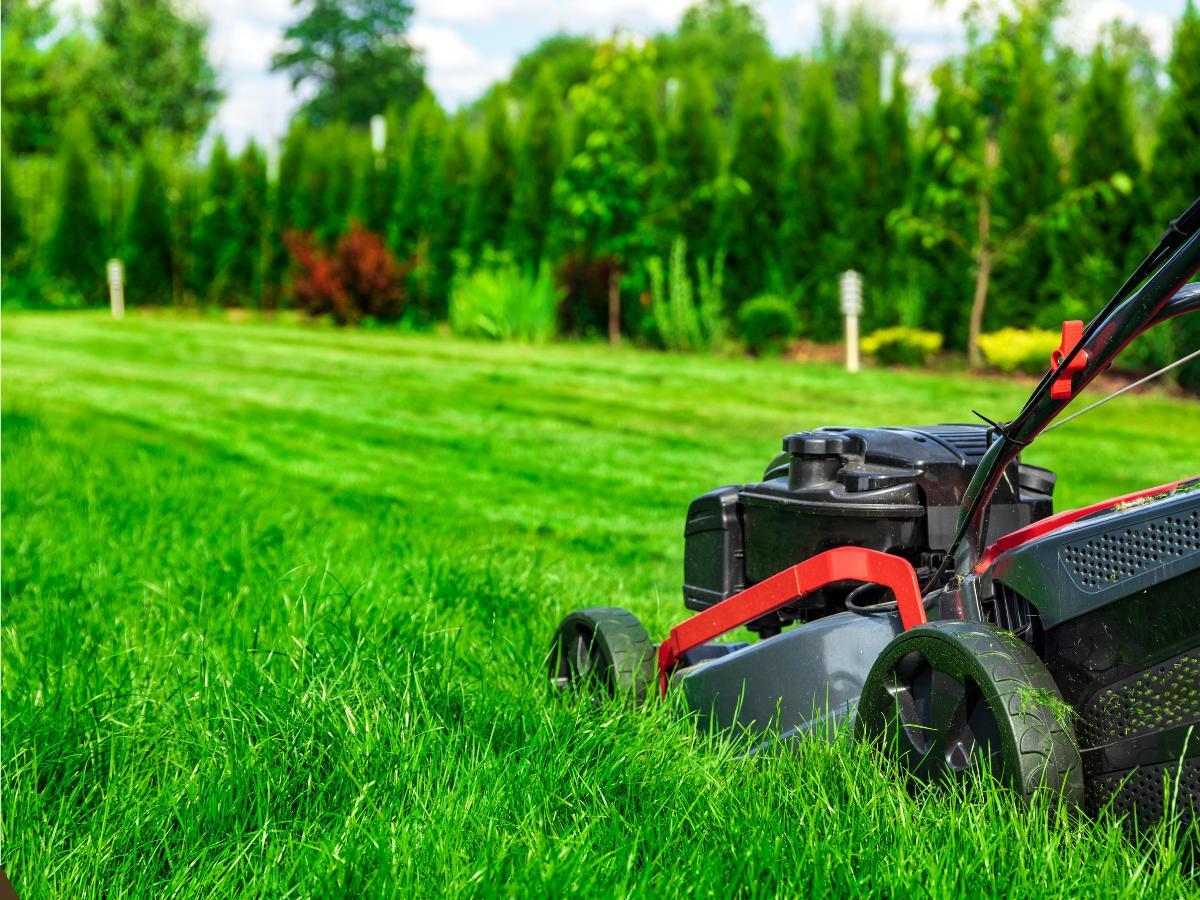
Shorter grass is often preferred because it takes an extended period to grow, reducing the frequency of mowing cycles. However, cutting grass too short is a common landscaping mistake that can harm your yard since it may leave bare patches, making it easier for insects and diseases to attack.
Different seasons have different mowing requirements. For example, when temperatures are high in summer, it’s advisable to maintain a higher blade height to shade the lawn and reduce the evaporation rate.
5. Lack of Proper Drainage
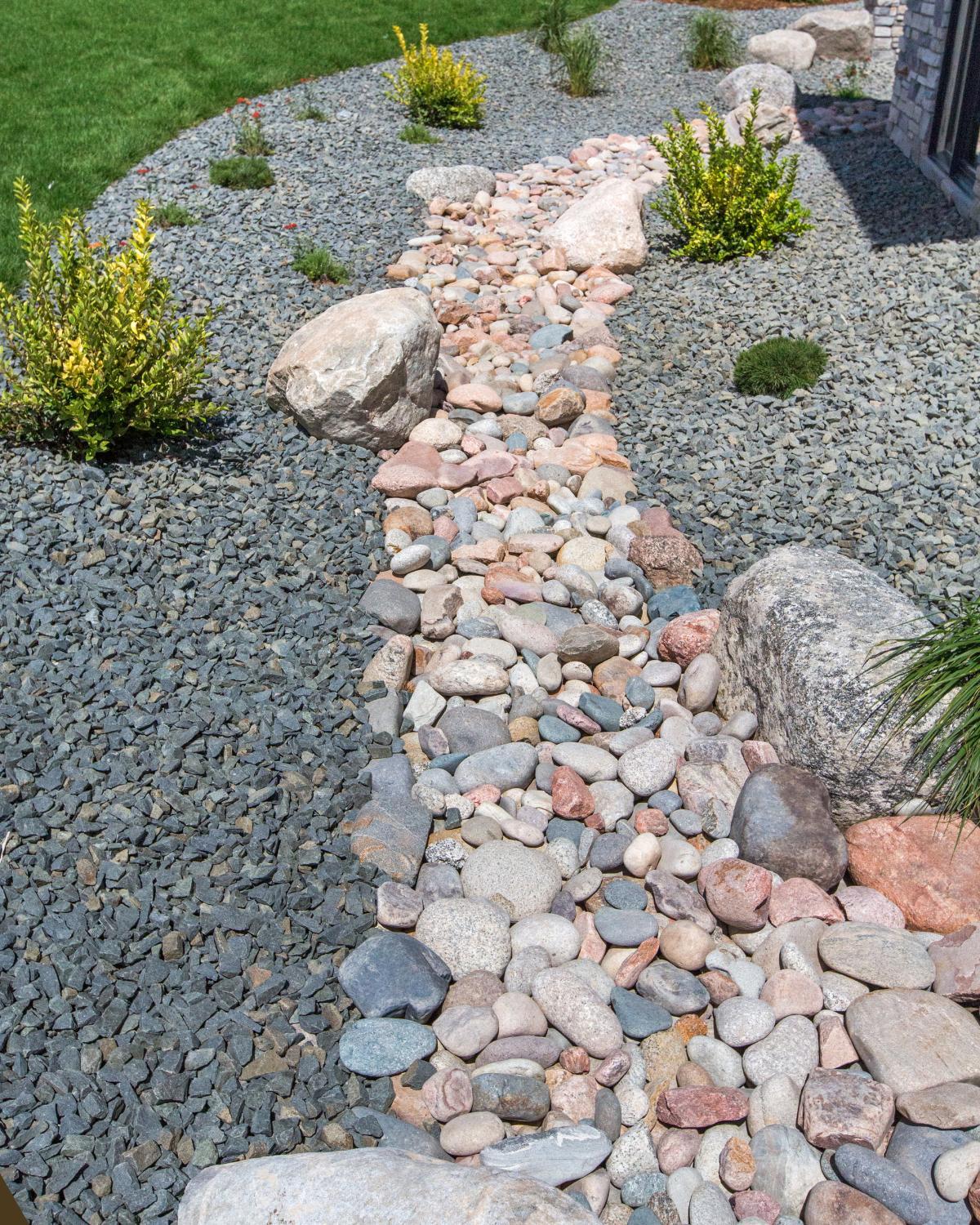
Many people concentrate on plants and landscape structure when landscaping, but completely forget about drainage. Drainage is critical in plant growth and the habitability of your outdoor space.
This factor will especially prove to be crucial during the heavy rain season. The last thing you want is large, stagnant puddles of water that may cause root rot or make your yard uninhabitable.
When planning your landscape, ensure proper drainage to prevent erosion and water damage. Also, figure out where the drained water will go, so adding a water catchment area may be a good idea. I usually choose a box or strip drain to help clear the surface water.
6. Not Accounting for Patio Furniture
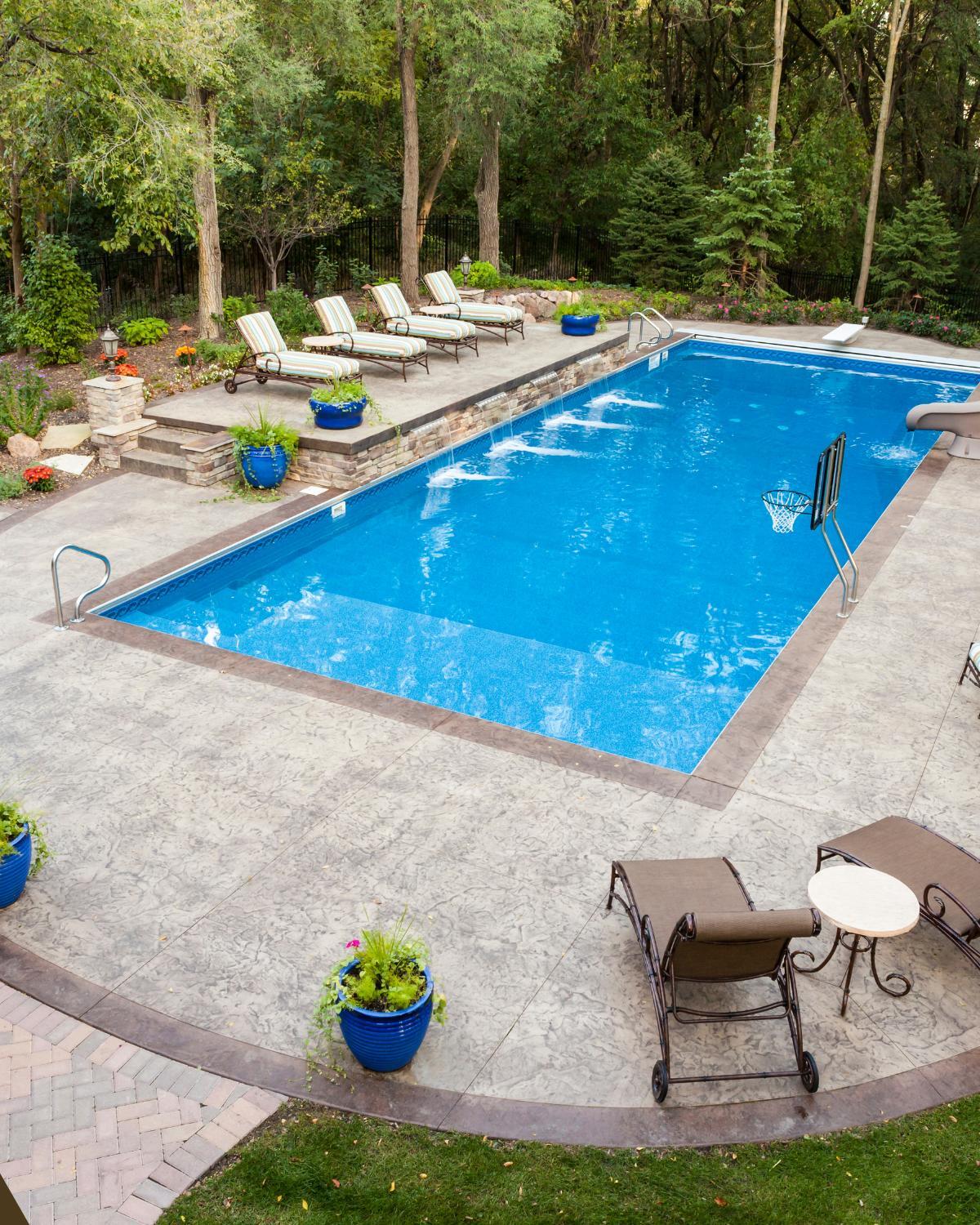
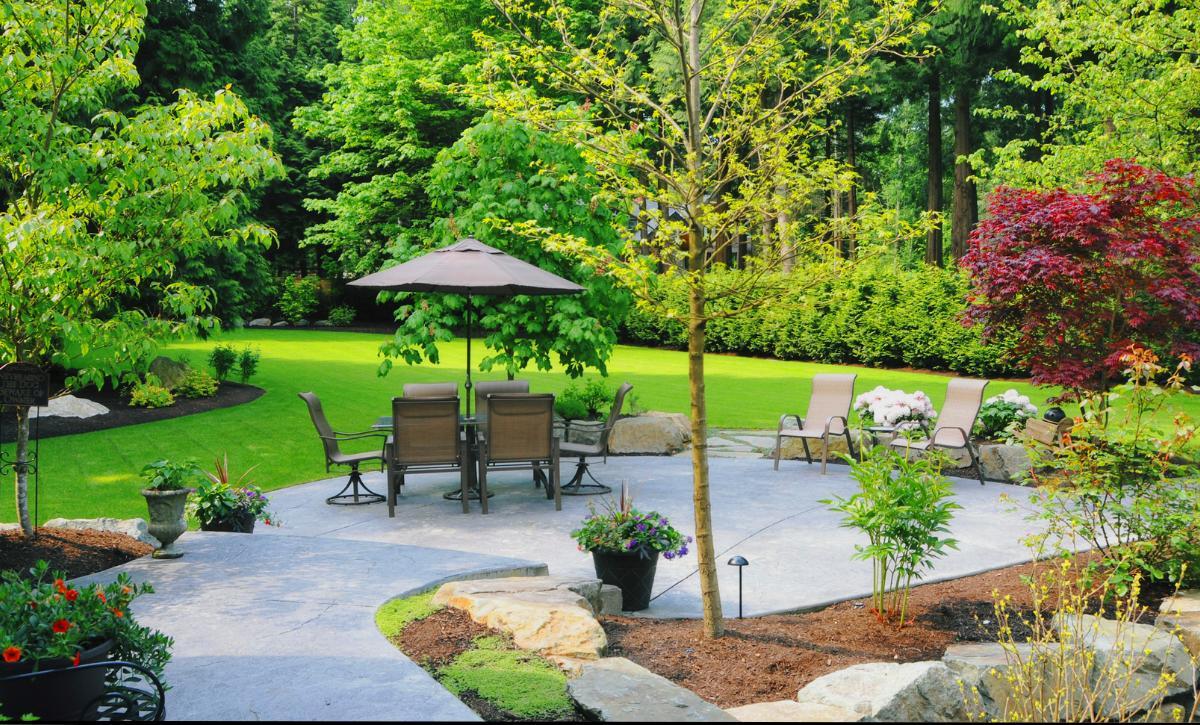
Furniture should never be an afterthought after you’ve completed your landscaping. It could limit your seating options or lead to a sub-optimal experience when enjoying your outdoor space.
The sitting or patio area should be included in the original landscaping plan, considering factors like the area’s accessibility and the furniture you’ll use. Decide on the patio size, features, and furniture type you’d like, then talk to your landscaping architect to fine-tune the design.
7. Ignoring Plant Needs
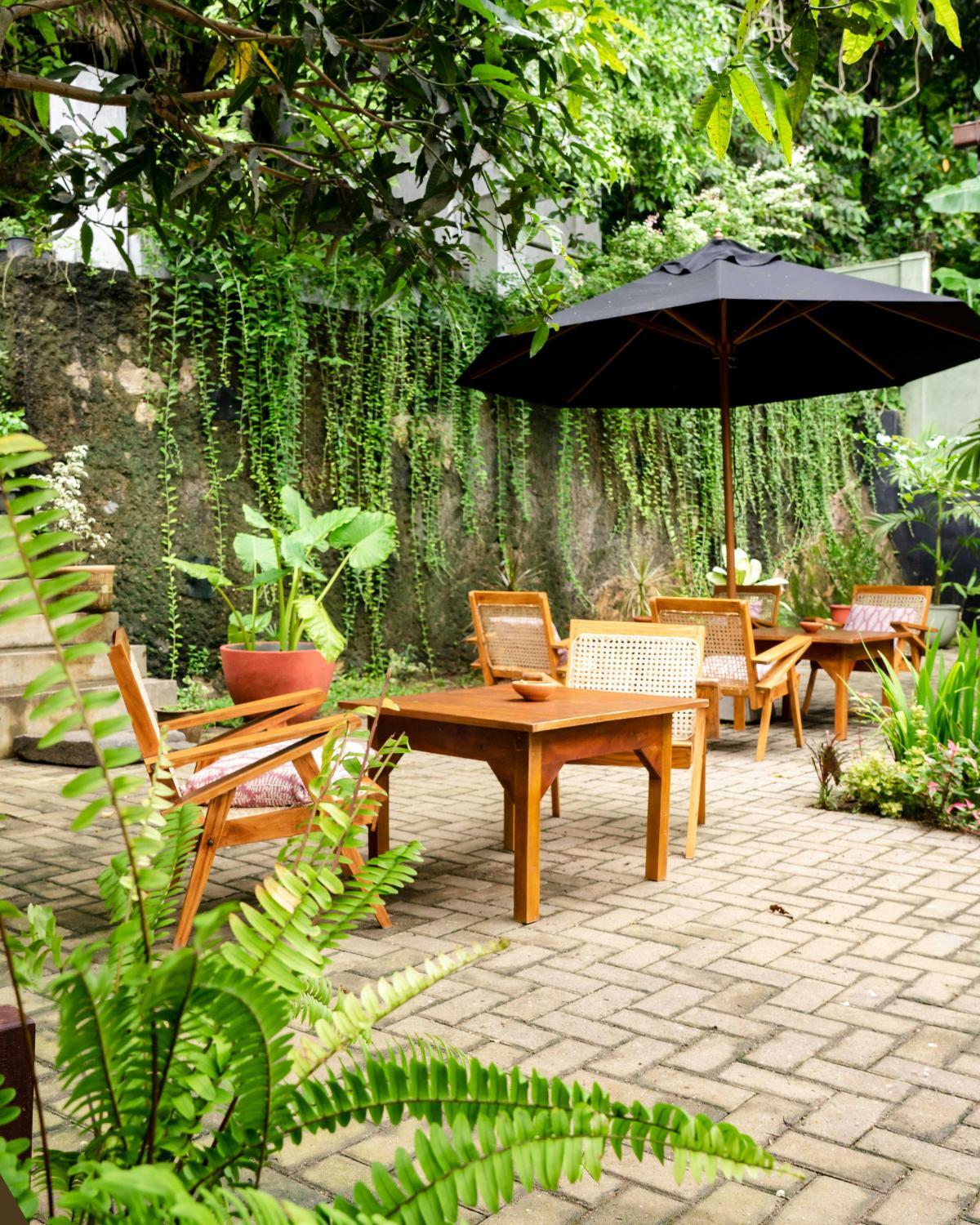
Understanding what different plants need will help you determine whether they’ll survive in your current hardiness zone and whether you can provide all the key requirements for them to survive.
Always take your time to plan your plant beds and ensure there’s adequate space for plants and outdoor furniture. Avoid using petite or skinny beds that don’t provide enough soil cover for your plants.
8. Not Recycling
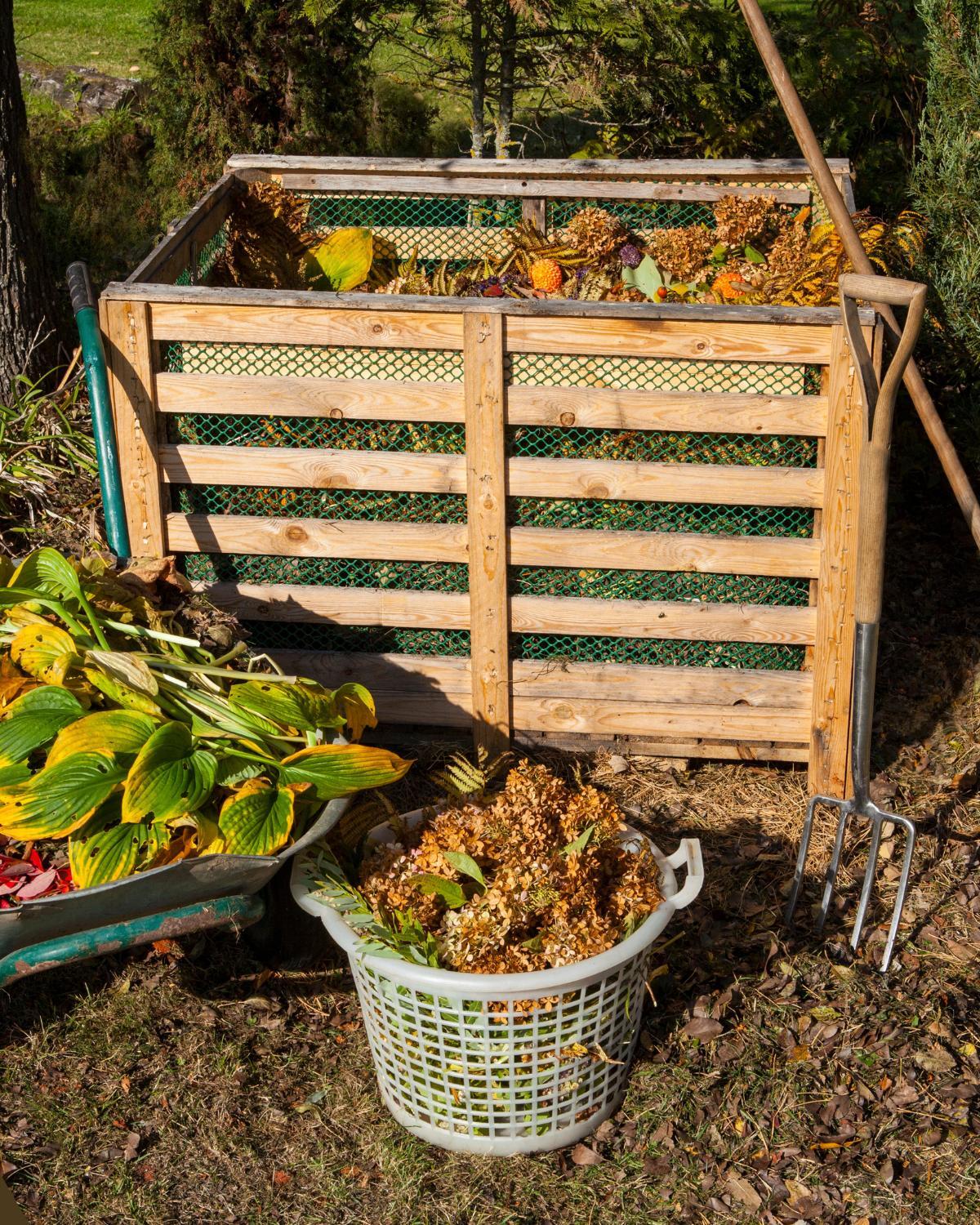
If you’re a fan of organic gardening, like I am, you can’t afford to let waste go to “waste.” Some projects, like fall garden projects, tend to produce a great deal of waste, which can contribute to your landscape’s fertility if utilized well.
Instead of sweeping leaves, branches, and clippings away when cleaning up, follow more sustainable and eco-friendly disposal methods. This can include shredding and putting them back in the lawn or composting them in a compost bin for even more nutrient-rich fertilizer.
This helps ensure your garden is tidy and reduces maintenance costs.
9. Using Excess Decor
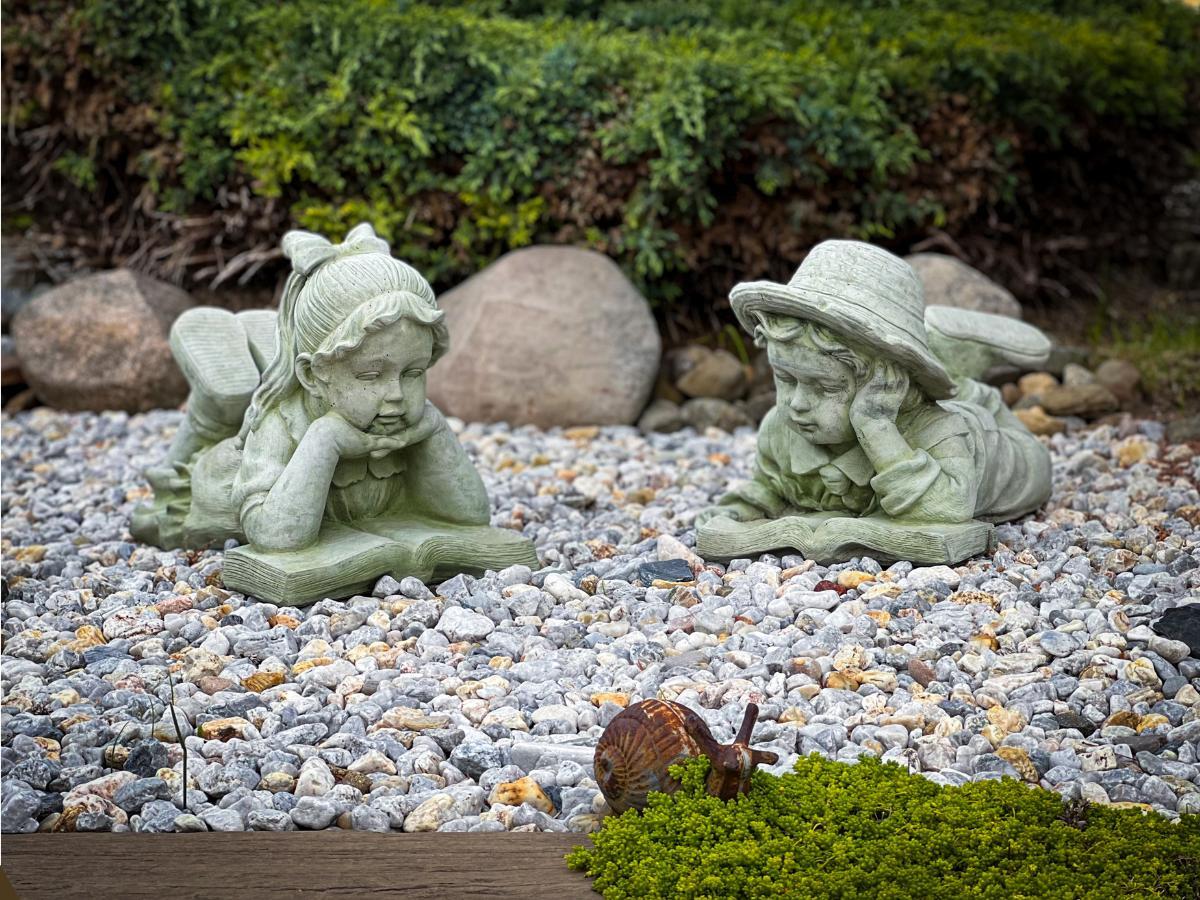
Decorative items help personalize your outdoor space, but using them excessively is a common landscaping mistake that distracts people from the natural landscape’s beauty. Remember, decorative items are only meant to accent the space rather than being the primary features.
Before adding decorative items such as figurines or sculptures, ensure you understand how they contribute to the overall design and beauty of the space. One statement piece can have a larger and better impact than 10 pieces randomly bundled together.
10. Planting Too Deep
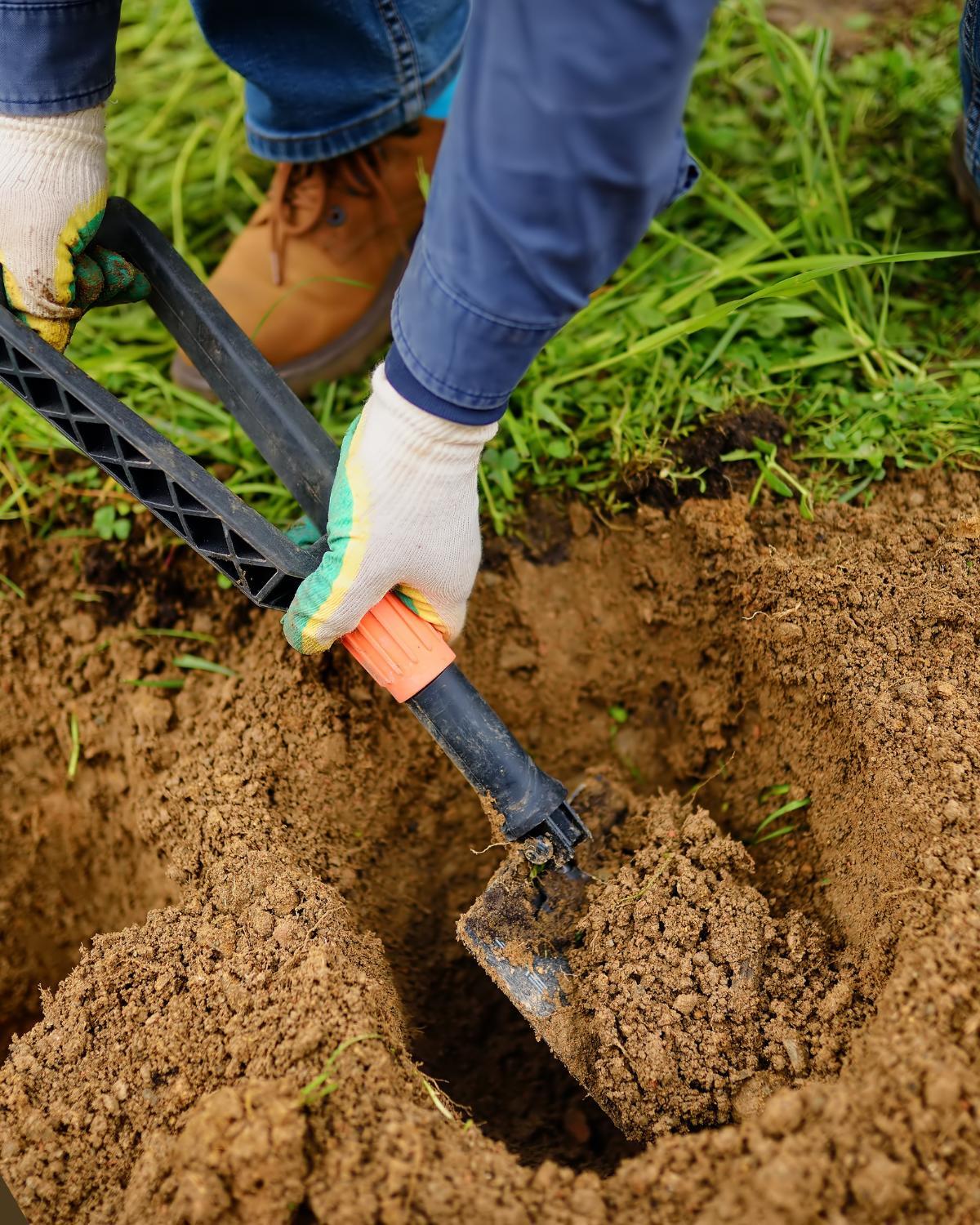
One myth in gardening is that having a lot of soil around a tree will contribute to faster growth and plant health. While this may be true for bigger trees, it’s detrimental to small plants that are just starting to flourish.
This is because more soil around the plant will prevent soil from reaching the root system, impacting the plant’s health. Additionally, plants grown too deeply are more susceptible to root rot than shallow plants.
To prevent this common landscaping mistake, match the depth of the plant with its size. One effective rule I’ve found when growing plants is digging the hole based on the height of the plant’s container.
11. Neglecting Vantage Points
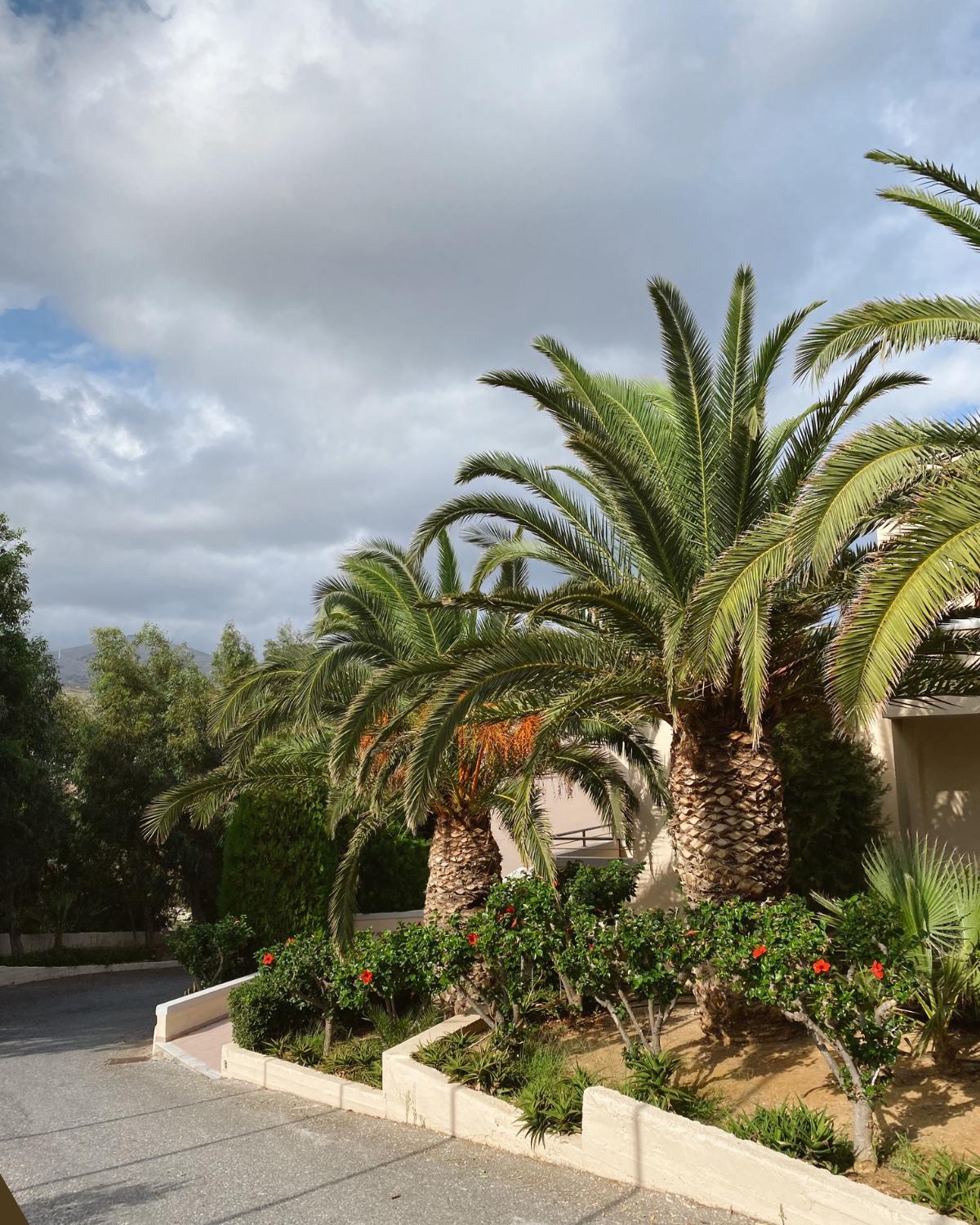
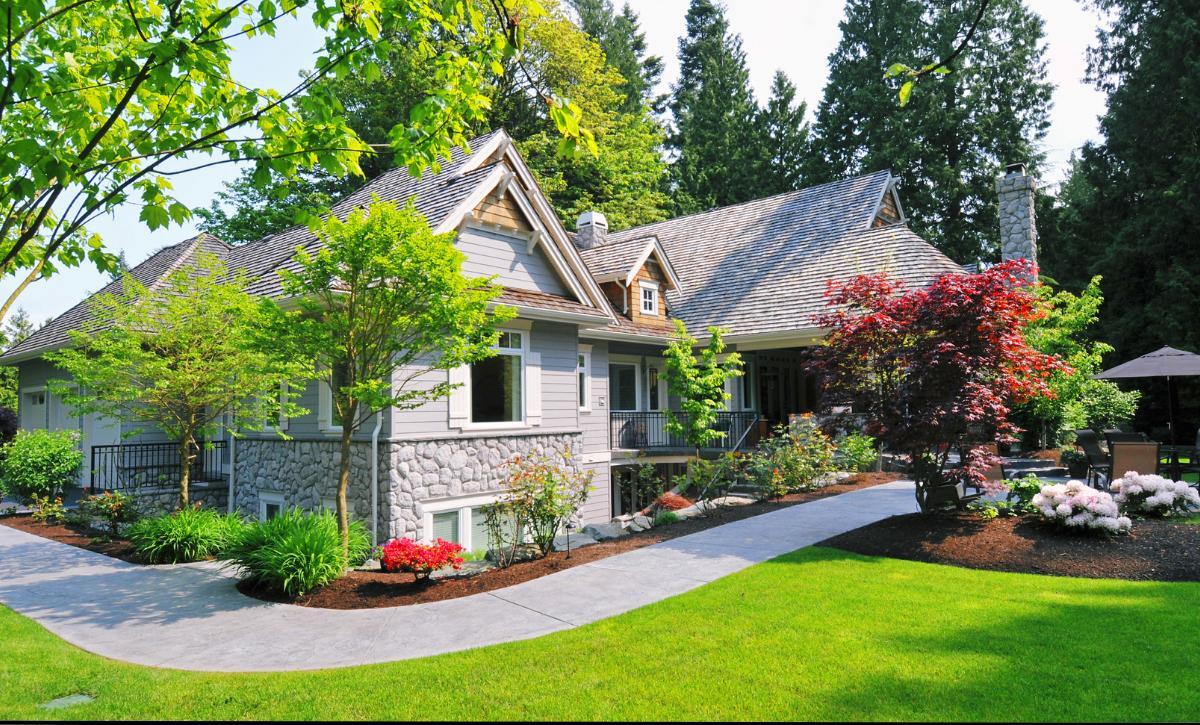
Your outdoor space should contribute to your home’s all-around aesthetic, and that’s why you need to consider vantage points.
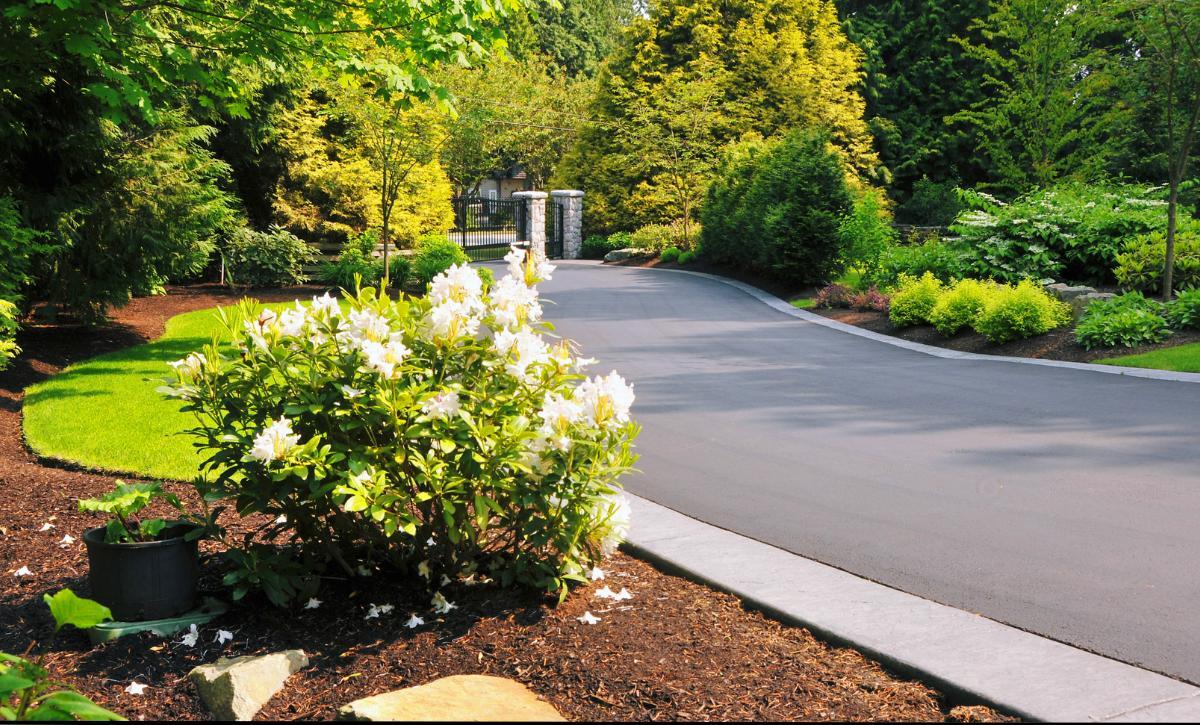
Consider the landscape view from driveway entrances, kitchen windows, or even the living area.
Vantage points should be appropriately planned to create a memorable experience for guests and homeowners. In essence, you want to ensure different areas of your home provide a visually appealing view of the landscape.
12. Overusing Pesticides
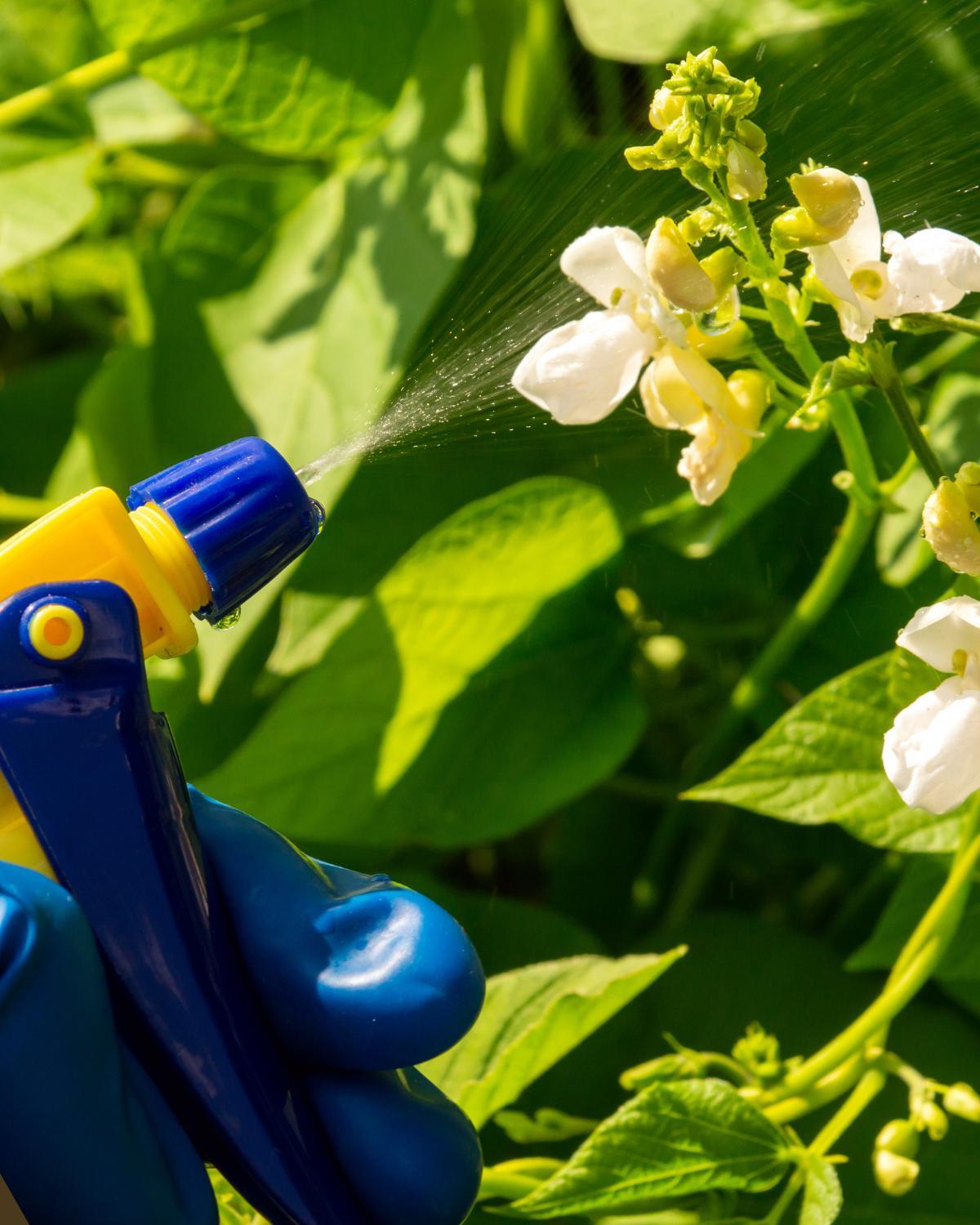
Pesticides are crucial when fighting pest and bug infestation, but overusing them can be just as bad as not using any. Some bugs benefit your garden, so when you overuse pesticides, you end up putting them off.
Additionally, since pesticides are primarily made of poisons, they can end up in your food, doing more harm than good. Ensure you use pesticides only when necessary to avoid wiping out beneficial bugs such as bees, butterflies, and moths.
13. Obstructing Views
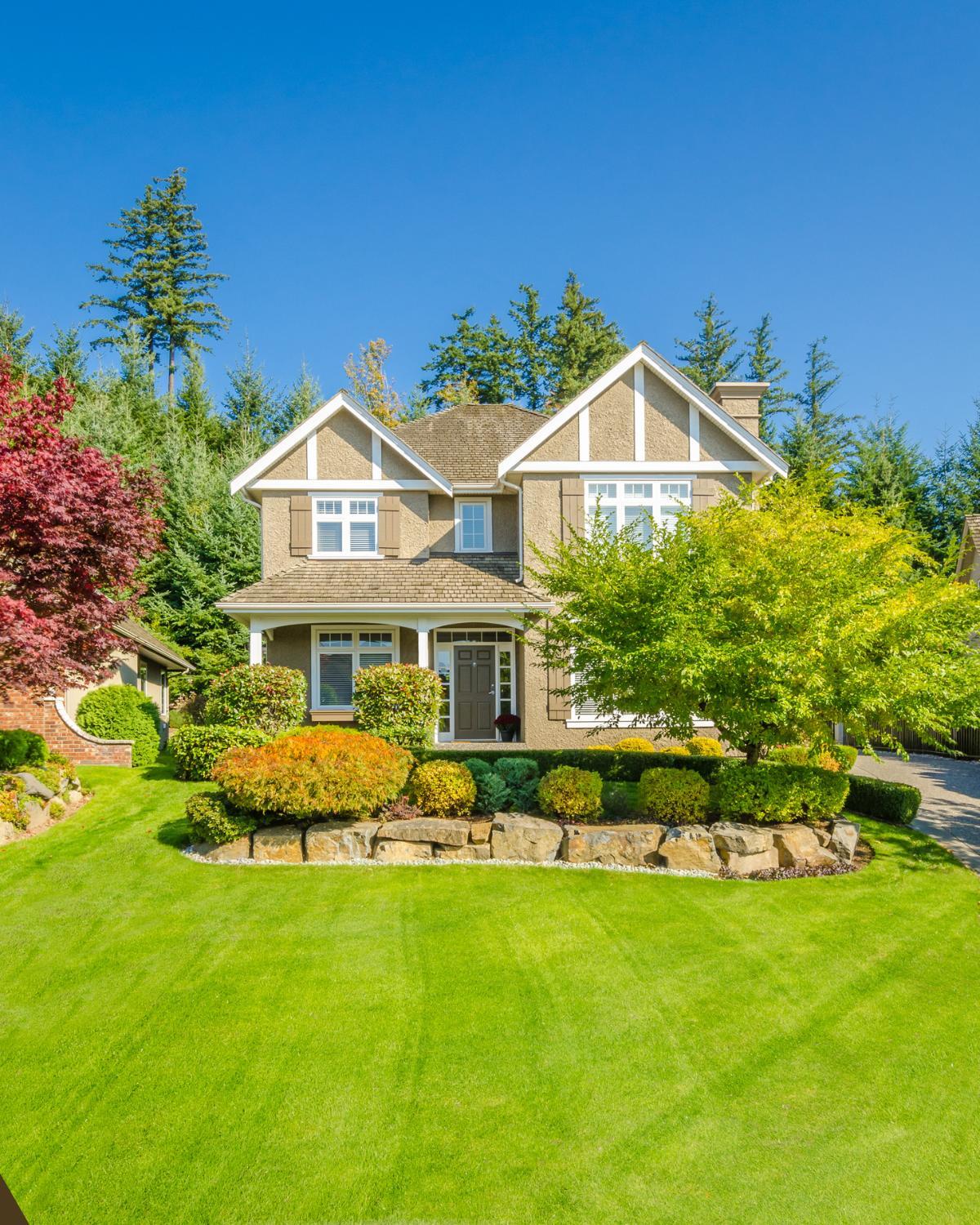
Trees are a great addition to your landscape since they provide natural shade and may be used as a sitting area. However, poor tree placement can obstruct your landscape’s view.
Before adding a plant, consider how it may impact your view from inside and outside the house. Your landscape should be like artwork that can be enjoyed in different areas of your property.
14. Using Wrong Planter Size
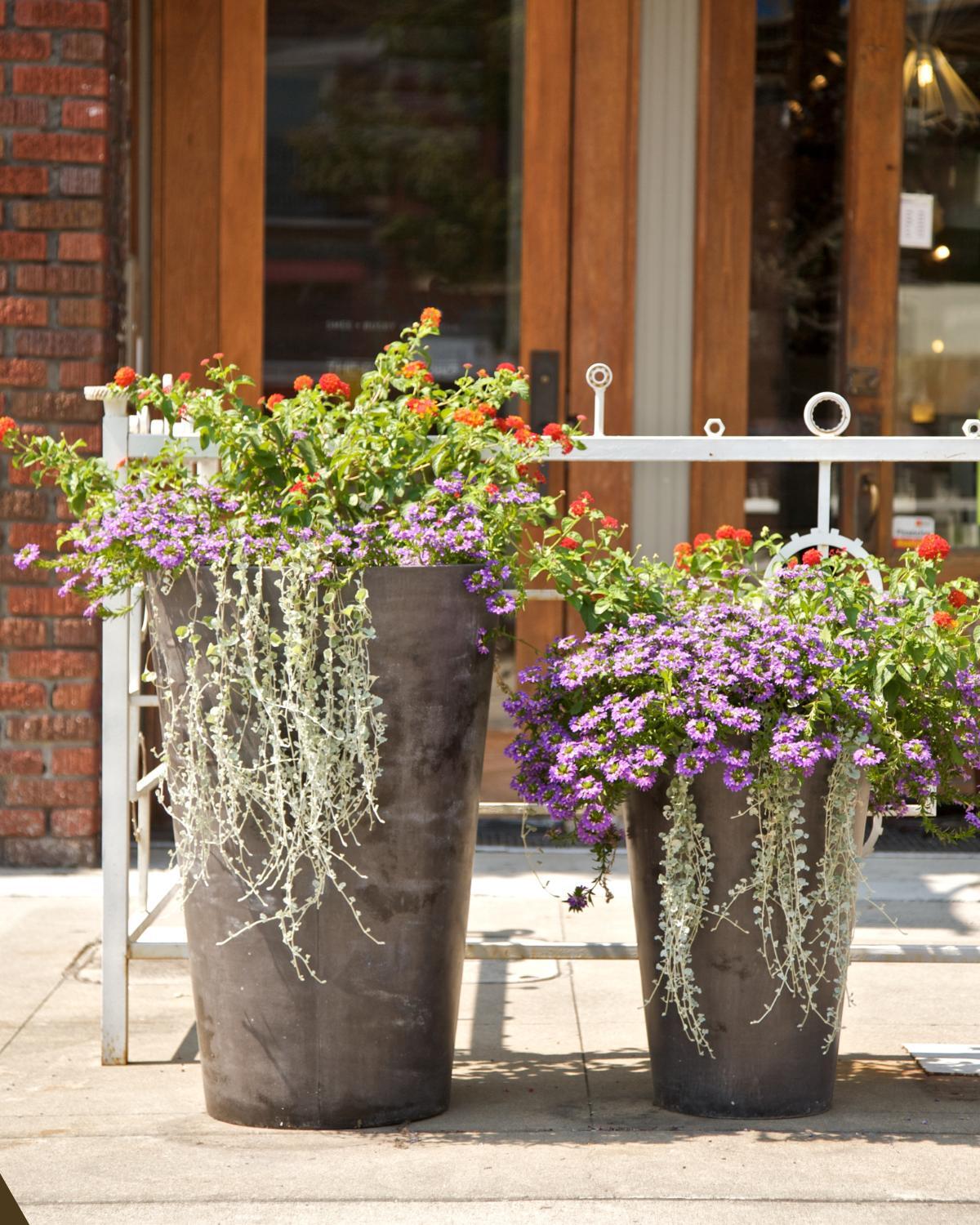
Planters are an essential feature to have in your landscape. They are easy to maintain and highly flexible, so they can be moved from one place to another.
Choosing the wrong size of pots is a common landscaping mistake that makes them less impactful. Small pots for large plants will slow down their growth process or even stunt them, while containers that are too large may leave your plants susceptible to overwatering and, consequently, diseases such as root rot.
15. Doing Too Much
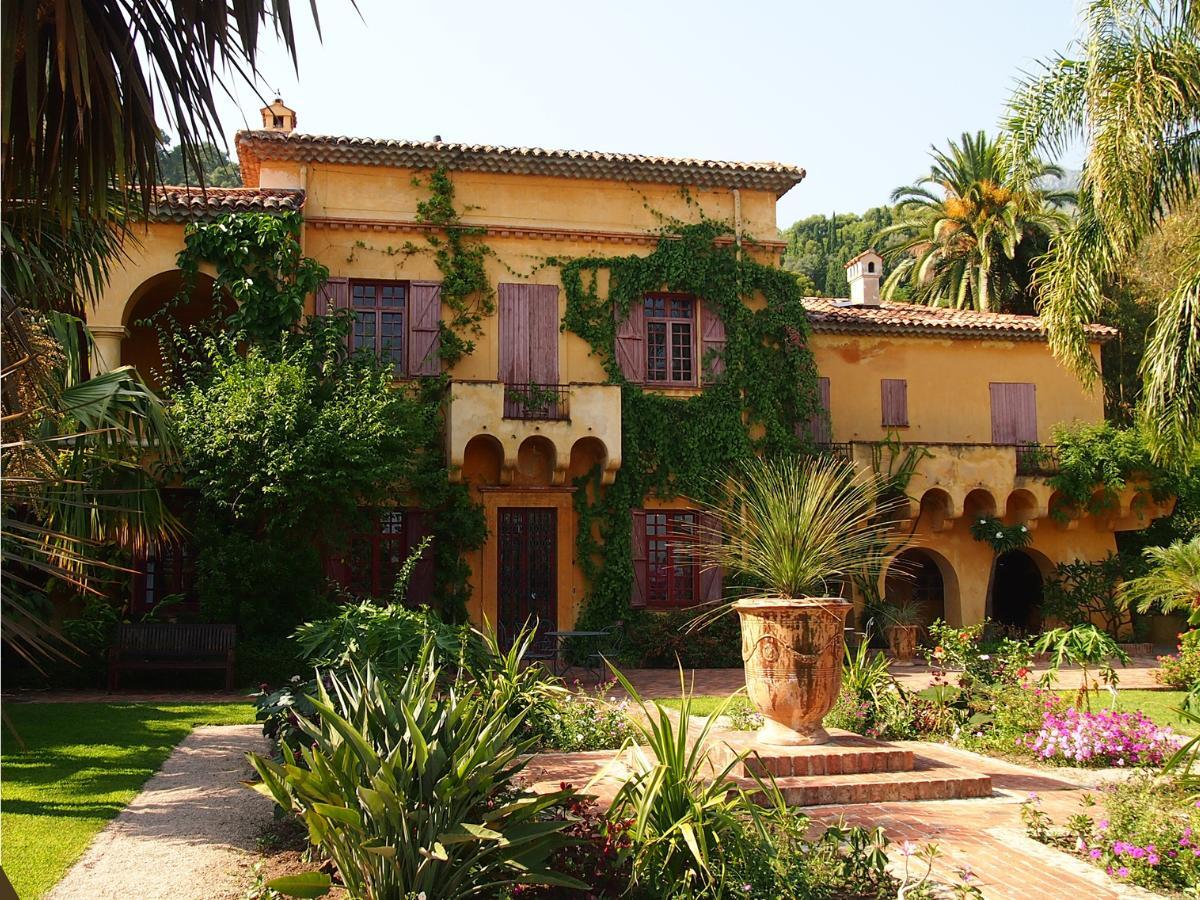
Too much of everything is often dangerous, and landscaping is one thing you should never overindulge in. Doing too much is much worse than doing too little since your landscape becomes crowded, depriving your plants of essential nutrients and causing them to wither and die.
It’s essential to balance landscape and architecture so that the space has a refined look rather than an overly dense jungle-like feel.
Too much landscaping or crowded plants will diminish the property’s beauty and value, while a well-curated landscape will enhance it.
16. Applying Fertilizer Wrongly
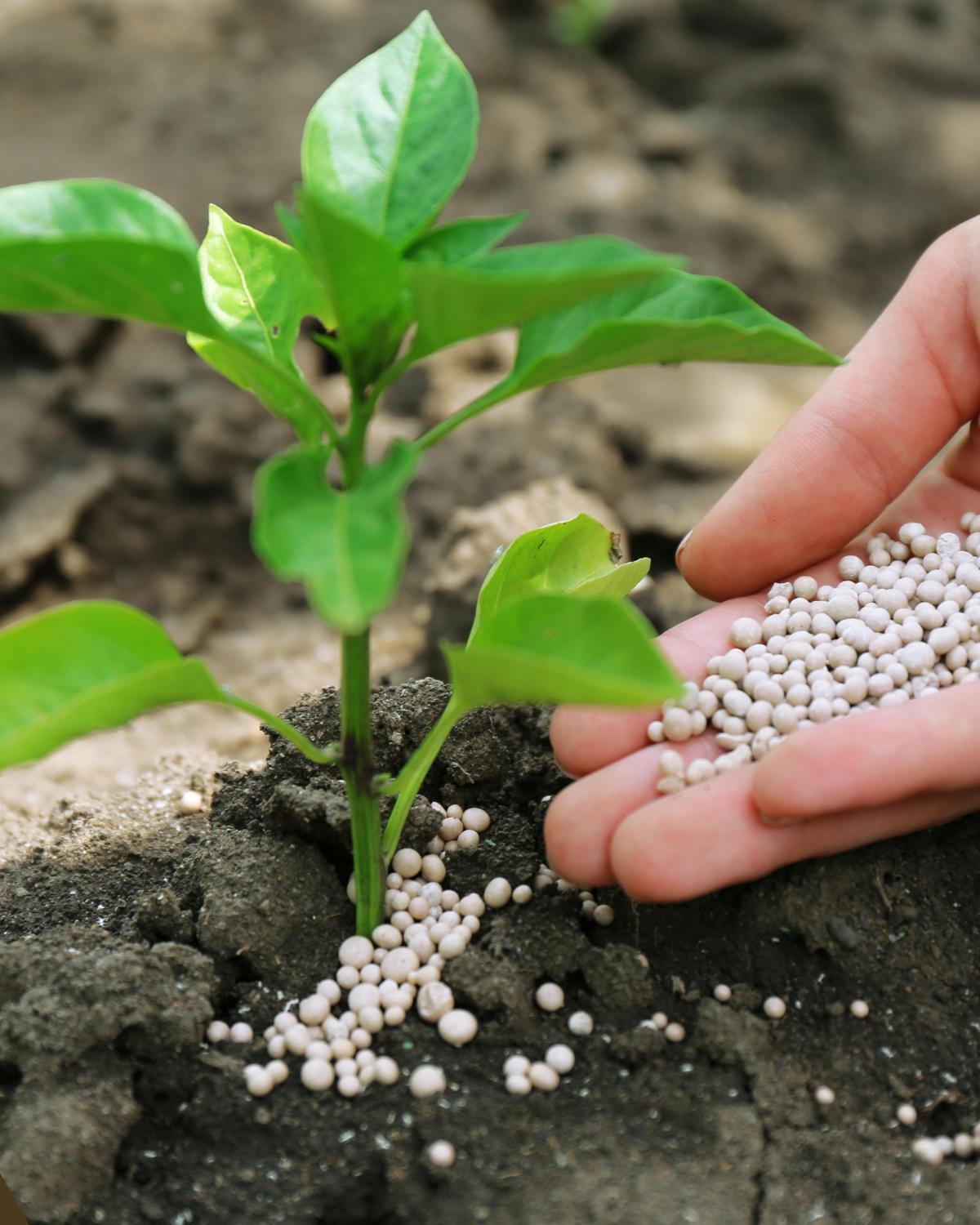
Applying fertilizer is a seemingly straightforward process, but you can do it wrong if you aren’t careful. You can mess up your plants’ fertilization cycle in two ways: fertilizing too much or improperly, and not fertilizing at all.
Either of these common landscaping mistakes will have a tremendous negative impact on plant health. I recommended fertilizing your plants twice a year during the growing season. Before you begin the fertilizing process, ensure you have the recommended fertilizer for different types of plants.
17. Choosing the Wrong Plants
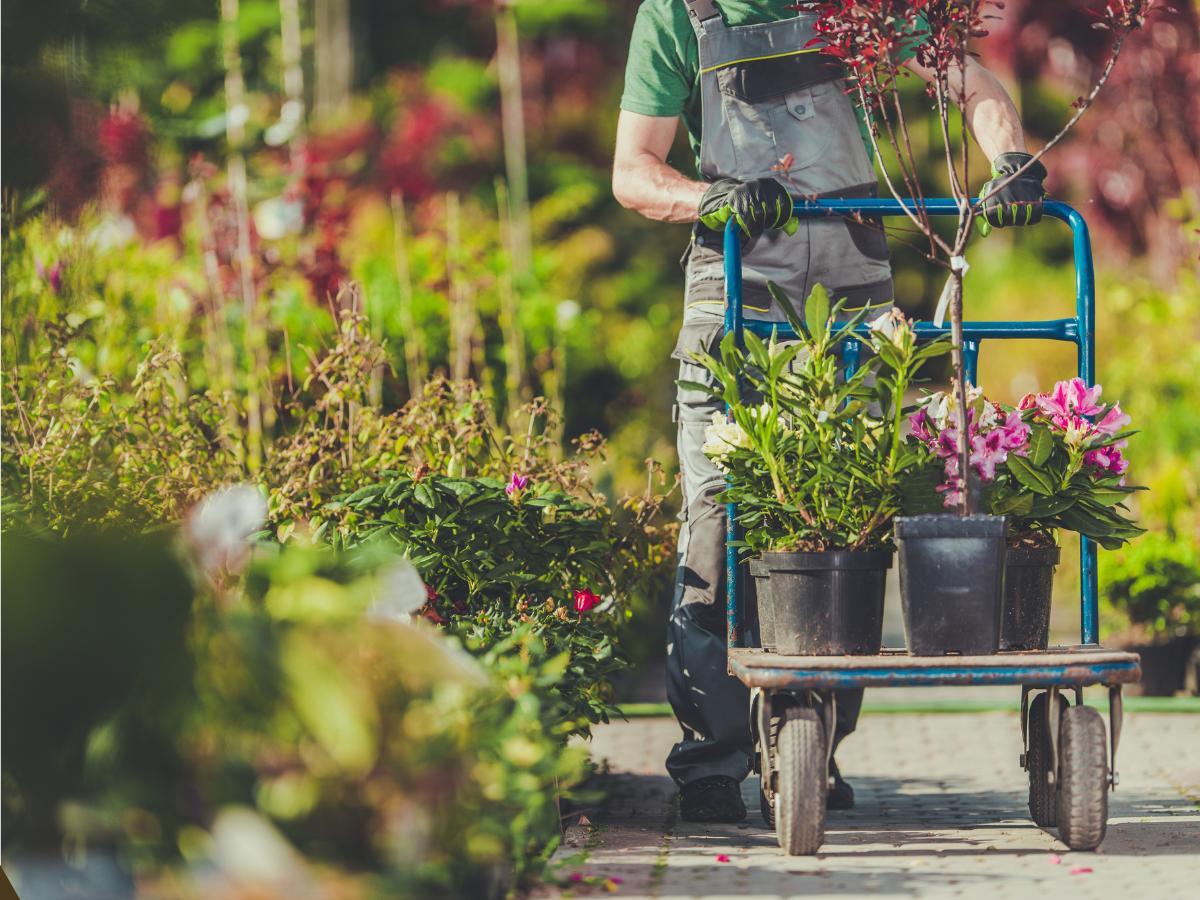
Believe it or not, some plants are simply wrong for your landscape. Just because a plant is aesthetically appealing doesn’t mean it will fit or belong in your landscape.
You have to consider the conditions of your yard in terms of the soil quality and the light it receives to determine the plants that will thrive in it. I always recommend plants native to your region that will have no problem adapting.
18. Not Catering for Wildlife
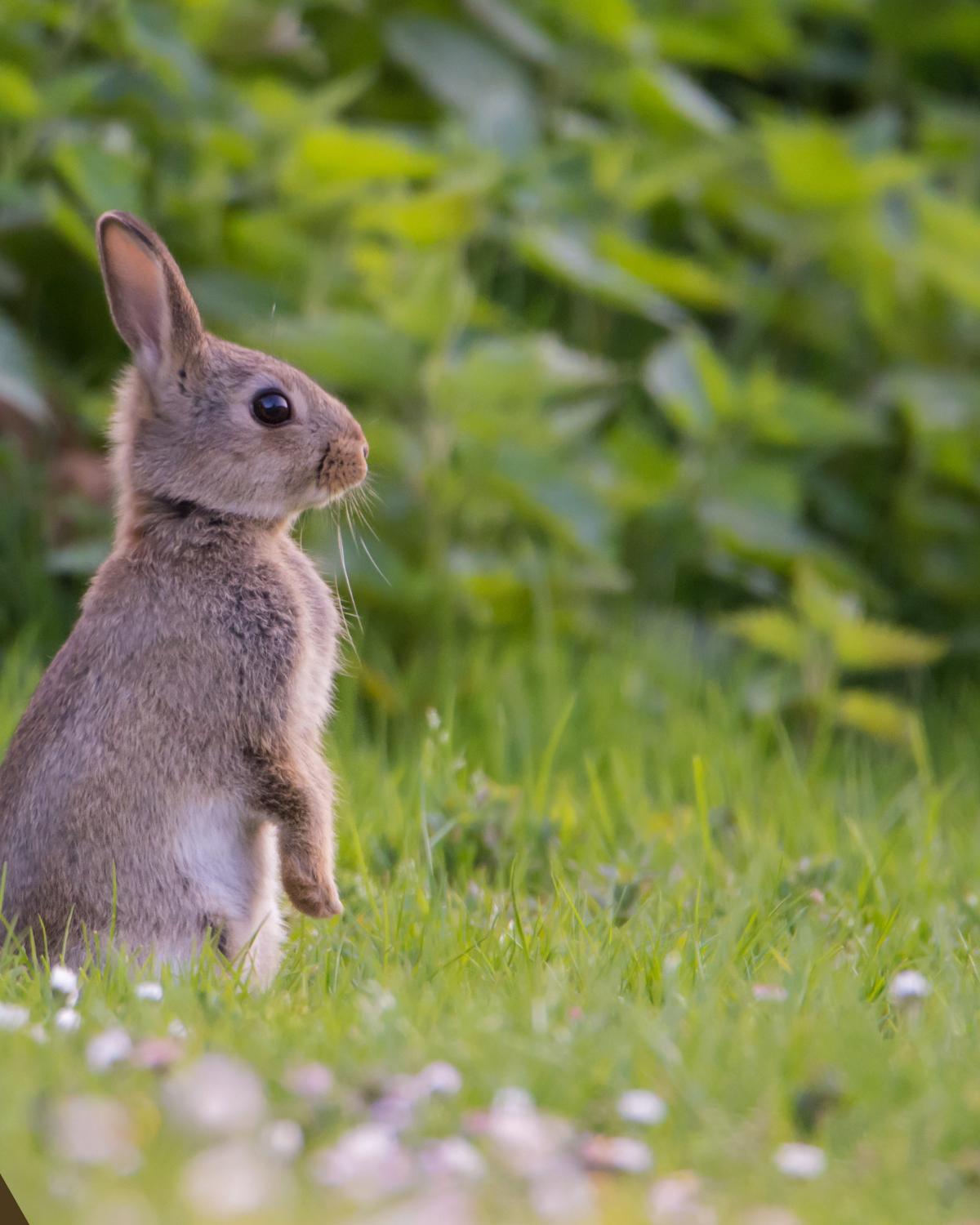
It’s a gardening travesty to grow plants without considering wildlife. You could grow plants that are a delicacy for pets or, even worse, plants that will keep all types of animals away, making your landscape highly one-dimensional.
The trick here is balancing your selection to have plants that will keep the critters away and others that will attract pollinators such as birds and bees. You can also opt for a more methodological approach by adding a small fence to keep predatory animals away.
19. Failing to Prune Plants
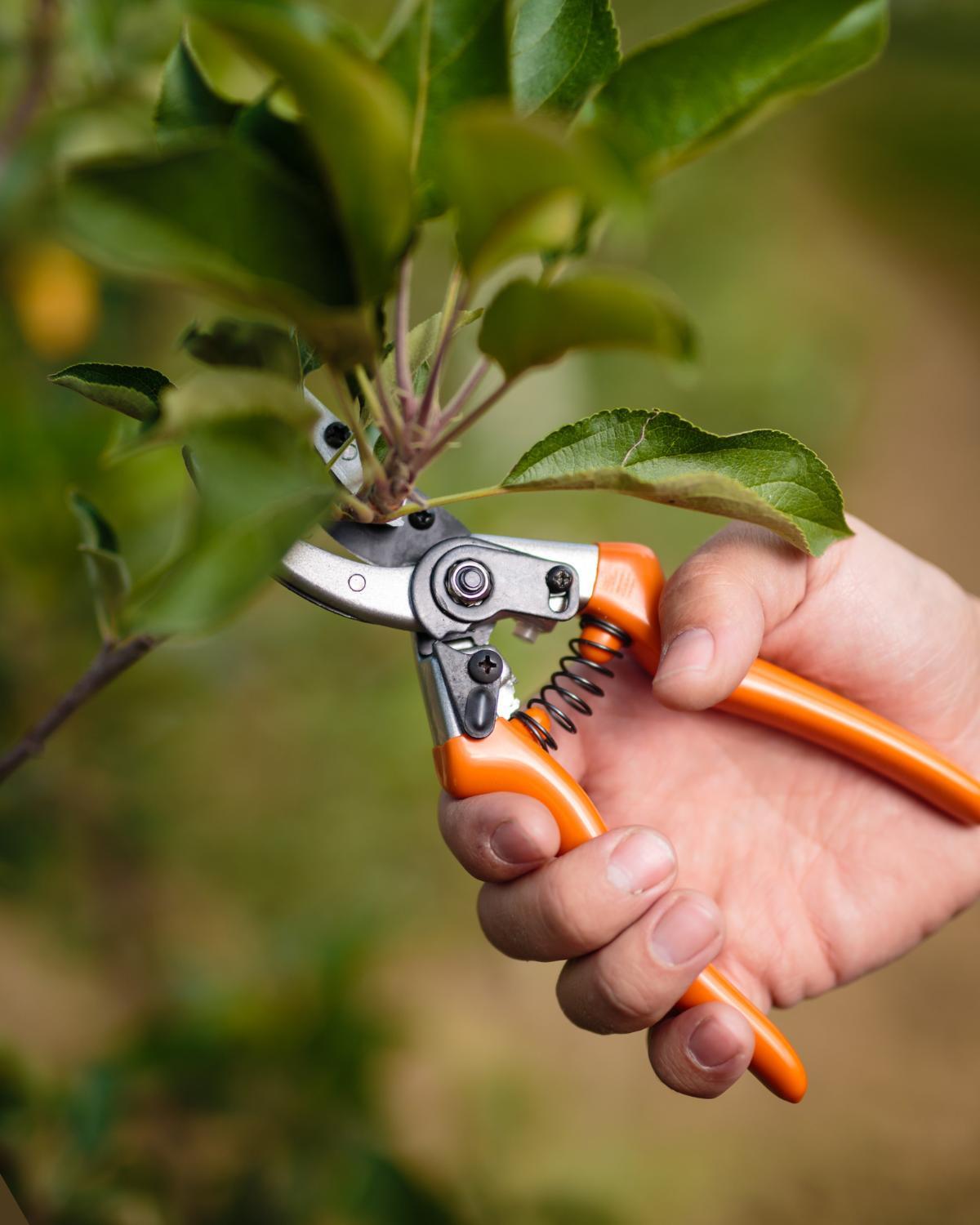
Pruning is very beneficial, but when not done correctly, it can do more harm than good. In fact, I often recommend that beginner gardeners desist from pruning until they’re confident in their skills.
The challenge with pruning is that each plant has a different process, so what works for one plant may not work for the other. Research each plant’s pruning technique before you begin the process.
20. Overlooking Lighting
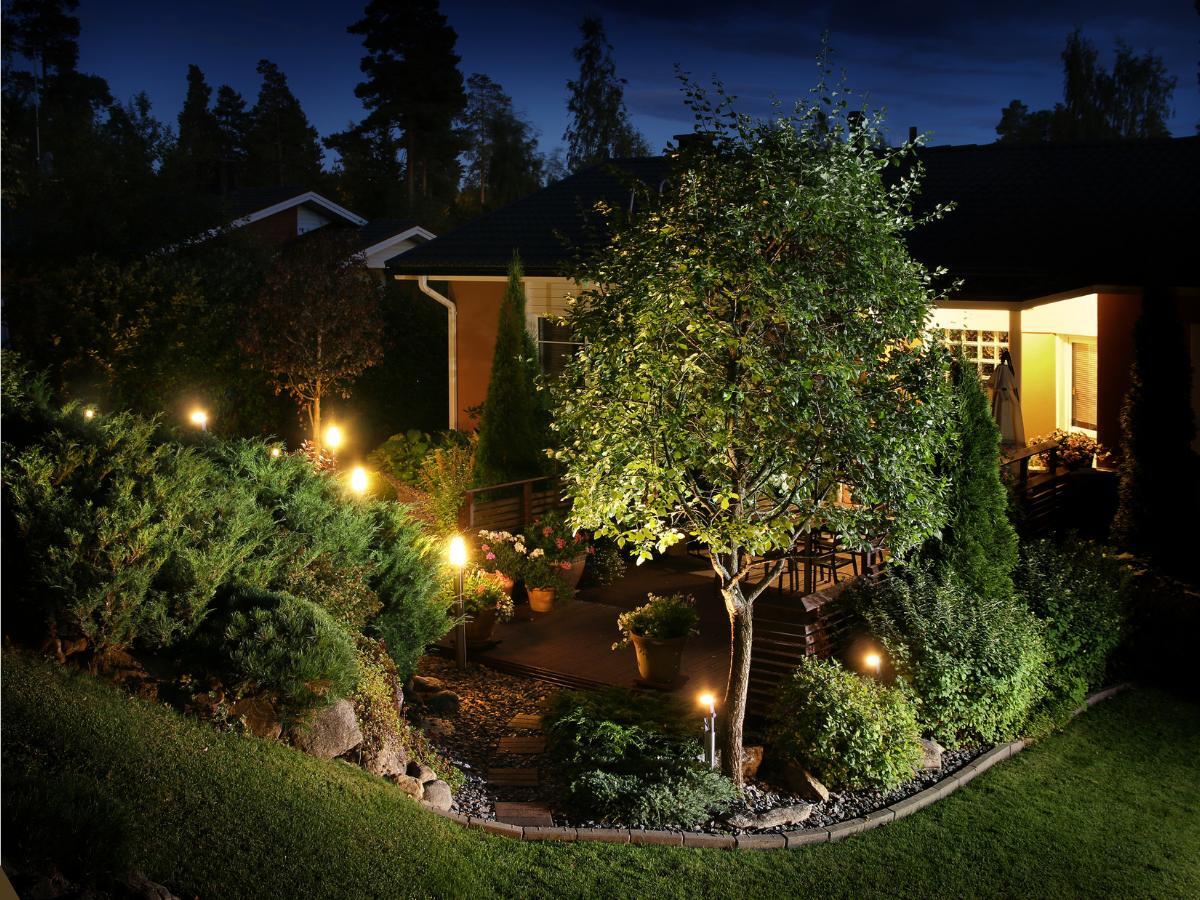
Your landscape should be functional during the day and at night. Ignoring lighting is a common landscaping mistake that limits the functionality of your outdoor space, especially at night.
While planning the landscape, don’t forget to visualize how it will look at night. That way, you won’t forget to add the necessary lights to achieve your vision.
First, add functional lighting to make movement easier, then use decorative lights for areas such as patios. I recommend solar lights to help cut down on your energy bills.